
Oil slips about 1.5% as Iran-Qatar talks continue after October surge
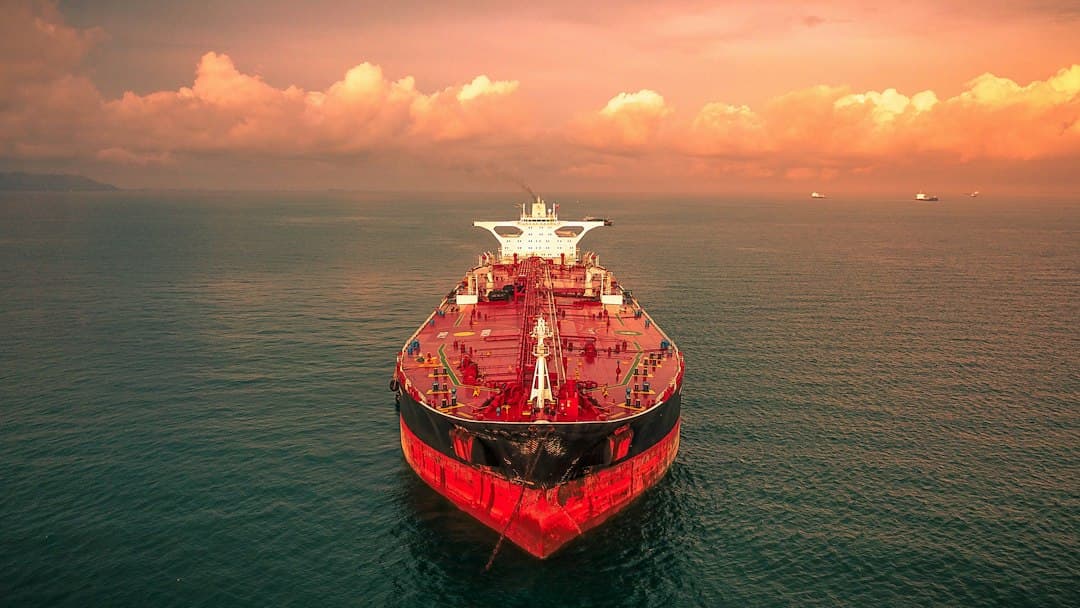
Brent and WTI fell about 1.5% in early Asian trade as Iran-Qatar talks ran into a third day, after a 13.6% jump in Brent during October.
Oil prices fell about 1.5% as trading opened in Asia on Monday. Talks between Iran and Qatar on ending the war ran into a third day, and the weekend passed without a major military escalation. The dip follows a powerful October rally that lifted crude to six-month highs and revived fears about inflation.
What happened
There are two main oil price benchmarks. Brent is the international reference, and West Texas Intermediate (WTI) is the main US one.
By 00:11 GMT on Monday, Brent had fallen $1.59, or 1.4%, to $111.84 a barrel, while WTI had dropped $1.56, or 1.5%, to $102.56, according to Reuters. A later Reuters markets report put Brent down 1.5% at $111.72 and WTI down 1.7% at $102.37.
The fall comes after a big month. Brent jumped 13.6% in October, Reuters said, as the war with Iran and the effective closure of the Strait of Hormuz, now about eight months old, kept supply tight.
Reuters linked Monday's move to the continuing talks between Iranian and Qatari officials about ending the war. Tim Waterer of KCM Trade described the drop to Reuters as a technical pullback, meaning a pause after a strong run rather than a change in the underlying picture.
There was also some news on supply. Two of three ship-tracking firms consulted by Reuters said Saudi crude exports rose in October compared with September, despite Houthi attacks on shipping.
One note of caution on the numbers: sources differ on where Brent ended last week. The National put Friday's Brent close at $117.64, after it briefly touched $118. The Reuters figures for Monday imply a lower starting point of about $113. The gap may reflect different futures contract months being quoted, but that has not been confirmed. Monday's prices are also from early in the session and may have moved since.
Why it matters
With crude above $100 a barrel, oil is feeding higher prices around the world. It raises the cost of petrol and diesel, of moving goods, and of making everything from plastics to fertiliser. Those costs tend to filter through to shoppers over time.