
Gulf oil exports outside Iran jump 10% as Aramco pledges maximum output
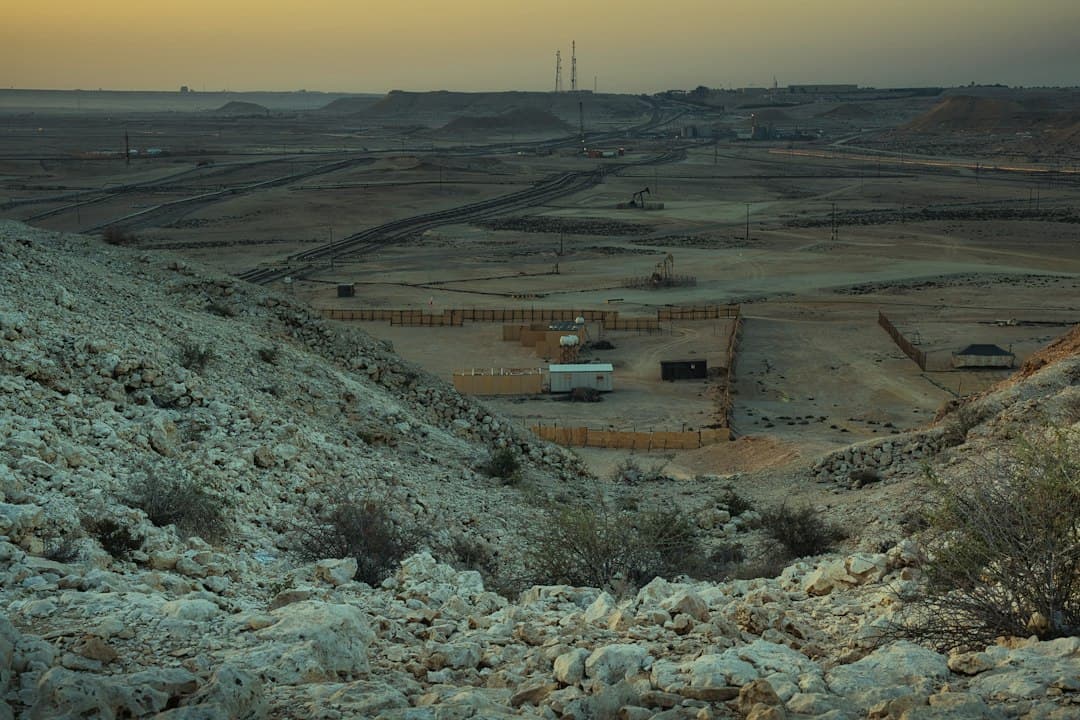
Saudi, UAE, Iraqi and Kuwaiti crude exports rose 10% last month to over 15m barrels a day as producers route around Hormuz, Bloomberg reports.
Gulf oil producers are finding ways to get more crude to market despite the closure of the Strait of Hormuz. Exports from Saudi Arabia, the United Arab Emirates, Iraq and Kuwait rose 10% last month, according to Bloomberg tanker-tracking, and Saudi Aramco says it will pump as much as it can this quarter. For the region's budgets that is welcome news; for fuel buyers around the world, it is one reason oil prices have started to ease.
What happened
Combined crude exports from the four producers climbed to more than 15 million barrels a day last month, Bloomberg reported via Rigzone, even though Iran's own exports have effectively stopped. Bloomberg said near-term supply is now outpacing demand for the first time since July.
One sign of that shift is in the Dubai oil market, a key pricing benchmark for Asian buyers. The nearest Dubai "timespread", the price gap between oil for immediate delivery and oil for delivery a little later, has moved into what traders call contango. That means oil for prompt delivery is cheaper than oil for later delivery, which usually signals that supplies are plentiful right now. Traders tend to read it as a bearish, or price-lowering, signal.
Saudi Aramco said it will maximize output this quarter, according to Bloomberg. Aramco chief executive Amin Nasser also said preliminary engineering work has begun on expanding the East-West pipeline, which lets Saudi crude bypass Hormuz, Asharq Al-Awsat reported. The aim is to raise its capacity to 10 million barrels a day from 7 million. Nasser added that the company's maximum sustainable production capacity could exceed 12 million barrels a day if the government decides to go that far.
Next door, the UAE, which left OPEC on 1 May, pumped 3.917 million barrels a day of crude in September, according to OPEC's secondary sources, Reuters reported via the Korea Herald. The national oil company ADNOC disputes those figures.
Why it matters
When a major shipping route closes, the countries that can reroute their oil gain both revenue and influence. Higher export volumes help Gulf governments fund their budgets at a time when the war has hit their economies hard.