
OPEC+ core members hold December oil targets, harder 2027 call looms
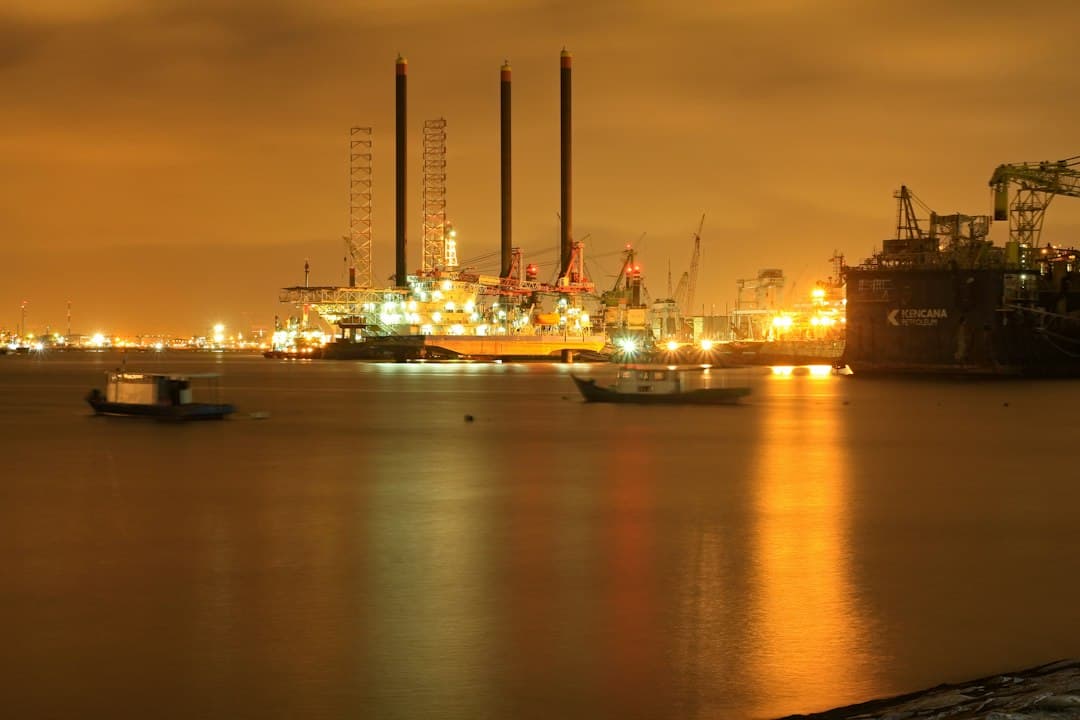
Seven core OPEC+ producers kept December output targets unchanged. The real test comes on 29 November, when the group sets 2027 quotas.
Seven core members of the OPEC+ oil producers' group agreed on Sunday to keep their December production targets unchanged. The decision has little practical effect, because most Gulf members are already pumping well below their limits while the Iran war disrupts shipping. The tougher choice comes on 29 November, when the full group meets to set targets for 2027.
What happened
At an online meeting on Sunday, Saudi Arabia, Russia, Iraq, Kuwait, Algeria, Kazakhstan and Oman kept their December targets at September levels, according to The National and Reuters. Together, the targets add up to about 31 million barrels per day (bpd).
The National listed the December targets as follows:
• Saudi Arabia: 10.478 million bpd
• Russia: 9.949 million bpd
• Iraq: 4.431 million bpd
• Kuwait: 2.676 million bpd
• Kazakhstan: 1.628 million bpd
• Algeria: 1.007 million bpd
• Oman: 841,000 bpd
These targets are ceilings, not actual output. The group has been gradually adding back oil it had held off the market. A 1.65 million bpd rollback of voluntary cuts made in 2023 was completed in September. About 2 million bpd of cuts agreed in 2022 remain in place until the end of 2026, according to The National and Reuters. The group does not expect further changes until next year.
Why it matters
The Strait of Hormuz, the narrow waterway at the mouth of the Gulf, has been effectively shut for about eight months. In normal times it carries about a fifth of the world's crude oil and liquefied natural gas, according to The National. With that route blocked, Gulf producers cannot ship as much as their quotas allow, so Sunday's decision changes little on the ground today.
What matters more is what happens when those barrels come back. If Hormuz reopens, Gulf producers will want to return to full output quickly to rebuild revenue. That could leave the world with more oil than buyers need, a situation known as a glut, which would pull prices down. Lower prices would help drivers and businesses that rely on fuel, but would squeeze the budgets of oil-exporting governments.