
US and Iran still far apart as Qatar mediates; Tehran sets Hormuz terms
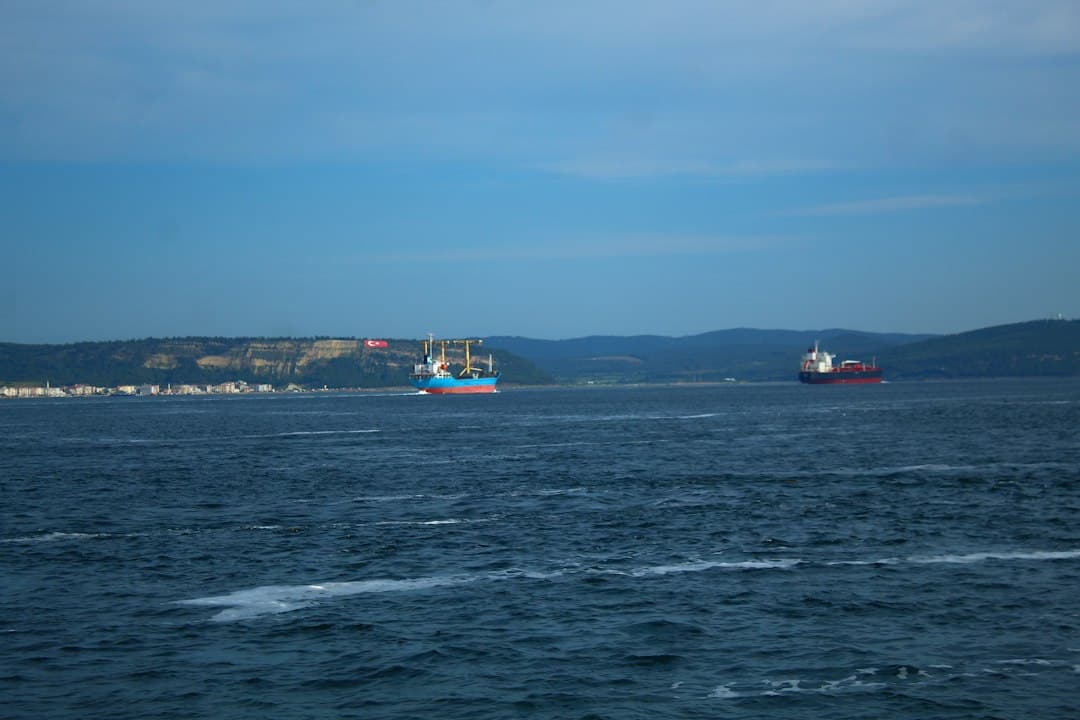
Iran says Hormuz will reopen only if the US lifts oil sanctions, ends its blockade and frees funds, as Qatar presses mediation and Gulf stocks end mixed.
Iran and the United States remain a long way from a deal to end their war, a senior Iranian official told Reuters on Tuesday, even as Qatar said both sides were studying its proposals. Tehran has made clear that the Strait of Hormuz, the narrow waterway that normally carries a large share of the world's oil and gas, will reopen only on its terms. For Gulf economies, and for anyone paying for fuel, that is the question that matters most.
What happened
Qatar's foreign ministry spokesman, Majed al-Ansari, said both Washington and Tehran were reviewing the mediation proposals, according to Reuters. One official said feedback was expected within 36 hours.
The tone from Tehran was cautious. Mohsen Rezaei, a member of Iran's Supreme National Security Council, described the latest US response as "not convincing," Reuters reported.
Iran has set out three conditions for reopening Hormuz: a waiver of US sanctions on its oil, an end to the US naval blockade, and the release of Iranian funds frozen abroad. Overnight, the US carried out limited strikes on Iran's Qeshm Island, which Washington described as "defensive."
There were other moving parts. Iranian Foreign Minister Abbas Araqchi said talks with Saudi Arabia on regional security were continuing, while Yemen's Houthi movement has stepped up attacks on Saudi Arabia, Reuters reported.
Earlier on Tuesday, Iran's Islamic Revolutionary Guard Corps claimed that three tankers had hit mines in the strait, according to Trend news agency. That claim rests on the IRGC's account alone and had not been independently confirmed.
Why it matters
The closure of Hormuz is the single biggest shock to Gulf economies since the war began in February. It has disrupted oil and gas exports, squeezed government revenues and unsettled businesses that depend on shipping through the strait.
Its reach goes far beyond the region. Oil prices above $100 a barrel have pushed up fuel and transport costs worldwide and complicated the job of central banks trying to control inflation.