
US job openings jump to 7.5 million, firming bets on a December Fed hike
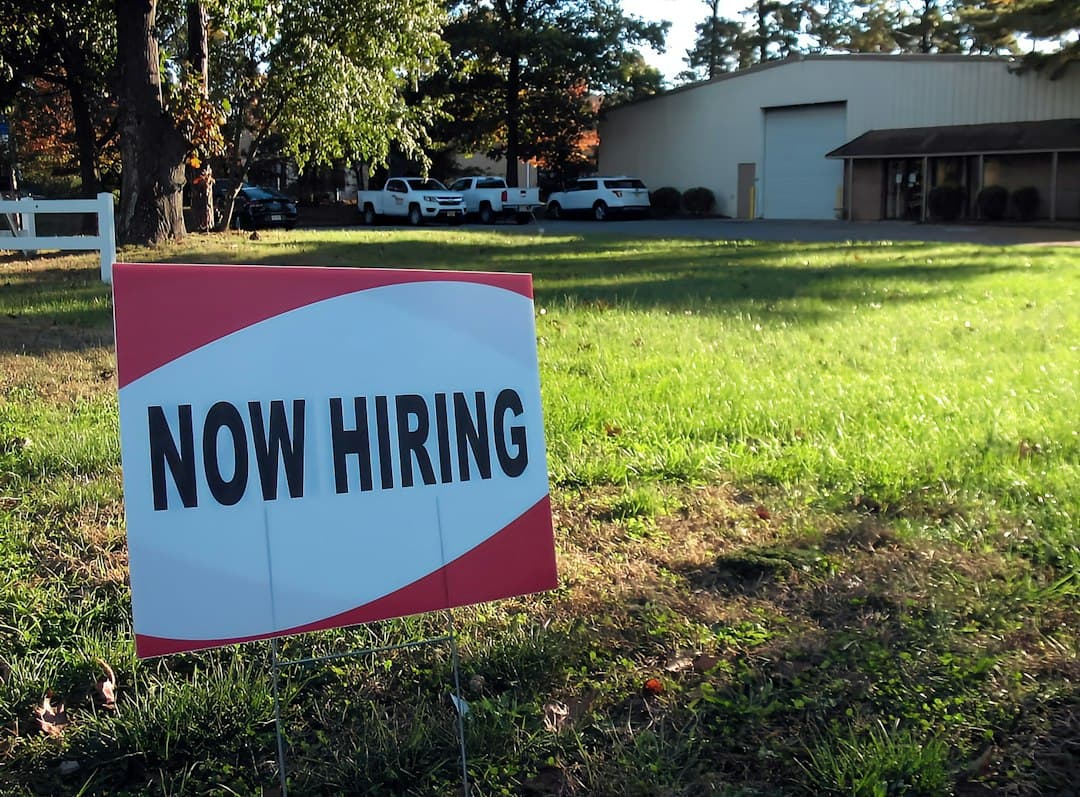
US job openings rose to 7.52 million in September, beating forecasts and strengthening market bets that the Fed will raise rates in December.
American employers advertised far more vacancies in September than economists expected, and fewer workers were laid off. The figures, released on Tuesday, suggest the US jobs market is sturdier than many feared, and that makes it more likely the Federal Reserve will raise interest rates again before the year is out. For households, that points to borrowing costs staying high or climbing further.
What happened
US job openings rose by 333,000 to 7.523 million in September, according to Reuters, citing the Labor Department's monthly Job Openings and Labor Turnover Survey, known as JOLTS. Economists polled by Reuters had expected 7.1 million. August's figure was also revised up, to 7.19 million from 7.079 million.
The openings rate, which measures vacancies as a share of total jobs plus openings, rose to 4.5% from 4.3%. There were now 1.06 open jobs for every unemployed person, up from 1.02.
Other parts of the report pointed the same way. Hiring rose by 131,000 to 5.402 million. The number of people quitting their jobs jumped by 321,000 to 3.365 million, the biggest increase since May 2023 and the highest level since March 2025, Reuters reported. Quitting matters because workers usually leave voluntarily only when they feel confident of finding something better.
Layoffs, meanwhile, fell by 127,000 to 1.641 million, the lowest since March 2025.
Markets reacted quickly. According to Reuters, the data reversed the US dollar's early losses on Tuesday. Treasury yields, which move with expectations for interest rates, also rose.
Why it matters
The Fed left its benchmark rate unchanged at 3.75% to 4.00% last week and said inflation "remains elevated," Reuters noted. Prices have been pushed higher this year by the war with Iran and the effective closure of the Strait of Hormuz, which has kept oil above $100 a barrel.
A central bank worried about inflation usually waits for signs that the economy is cooling before it relaxes. A strong jobs report gives it the opposite signal: employers still want workers, so there is less risk that higher rates would cause widespread job losses. Economists told Reuters the data keeps the Fed focused on inflation. Oxford Economics expects rate increases in December and again in March.