
Iran-Qatar talks on reopening Hormuz end without a breakthrough
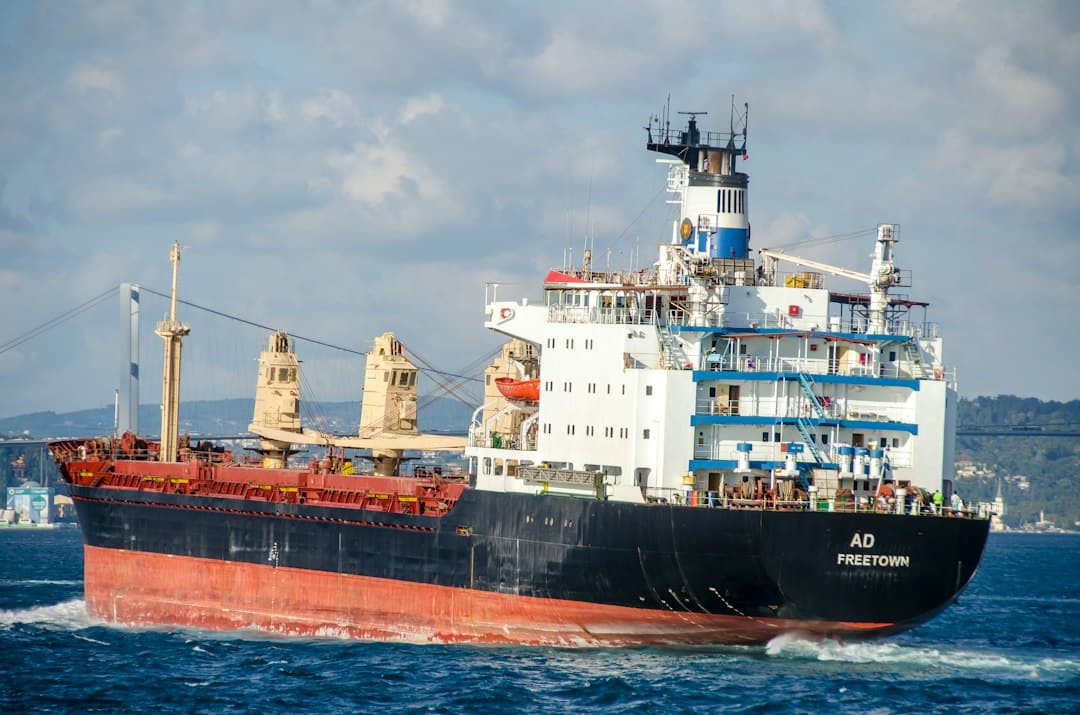
Iran says a plan to reopen Hormuz within two days depends on the US response. No deal yet, and new attacks on ships were reported on Sunday.
Talks in Doha on a plan to reopen the Strait of Hormuz within two days produced no breakthrough on Sunday. Iran's foreign minister said the outcome now depends on how Washington responds to Tehran's conditions. On the same day, new reports emerged of ships being hit in the strait.
What happened
Iranian officials and Qatari mediators held a third straight day of talks on ending the war, according to Reuters. Iran's foreign minister, Abbas Araghchi, said the discussions cover reopening Hormuz within two days, rather than the five days Qatar had proposed, provided the United States meets Iran's demands, The Tribune reported, citing the news agency ANI.
On Sunday evening, Araghchi said no agreement had been reached and that the result depends on the US response.
According to The Tribune, Iran's conditions are:
• lifting sanctions imposed after the Islamabad memorandum
• reducing US forces in the region
• restoring waivers that allowed some buyers to purchase Iranian oil
• releasing frozen Iranian funds, including money held in Qatar
• recognising shipping routes Iran has discussed with Oman
The US position was set out at the Manama Dialogue, a regional security conference in Bahrain. Donald Blome, a US assistant secretary of state, said Iran cannot hold the regional and global economy hostage, and added that "the hand of negotiation has been extended", according to The Tribune.
Meanwhile, the danger at sea continued. The UK Maritime Trade Operations agency (UKMTO), which monitors shipping security in the region, relayed a distress report of a vessel struck by an "unknown projectile" in Hormuz, Arab News reported, citing AFP and Reuters. Iran's Revolutionary Guards separately claimed that two tankers "exploded" after hitting mines on what they called an unauthorised route. That claim has not been independently confirmed.
Why it matters
Hormuz is the narrow channel that links the Gulf to the open ocean. In normal times, about a fifth of the world's crude oil and liquefied natural gas passes through it, according to The National. It has been effectively shut for about eight months.