
Gold Rebounds Above $4,050 as Falling Oil Eases Fed Hike Fears
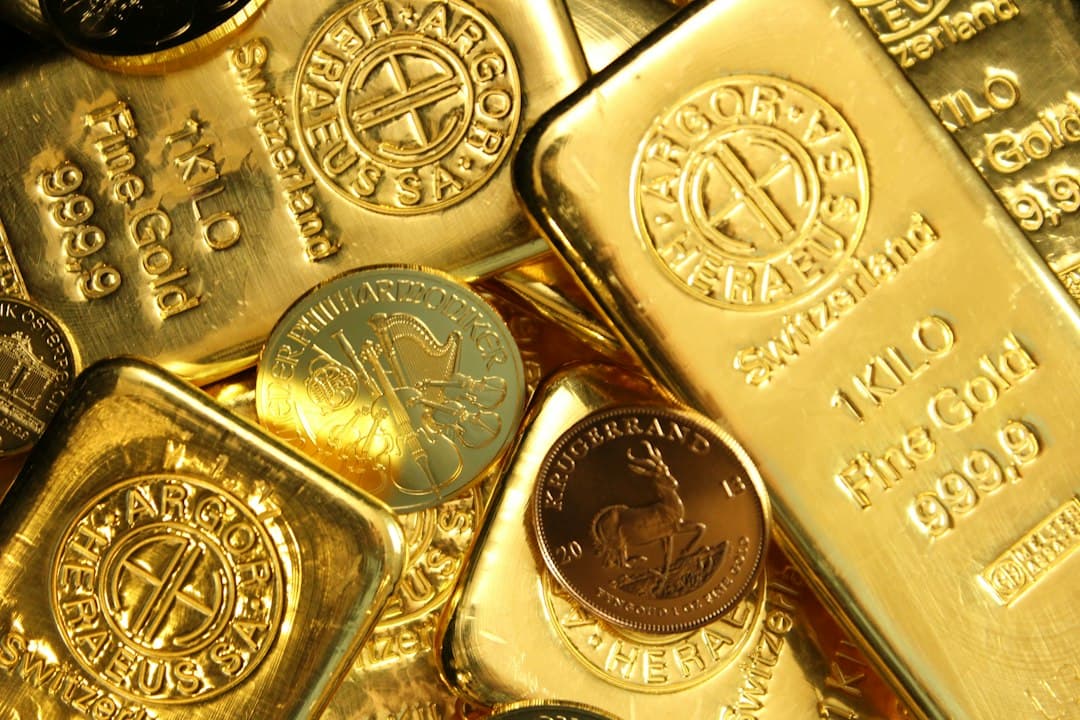
Gold rose about 1% to above $4,050 an ounce as lower oil prices eased worries about inflation and further Fed rate hikes.
Gold recovered on Tuesday, ending the US trading day about 1% higher after slipping toward $4,000 an ounce earlier. The turnaround came as oil prices fell on hopes of diplomacy with Iran, easing fears that the Federal Reserve will need to keep raising interest rates. It is a small bounce after gold's worst week in about four months.
What happened
Spot gold, the price for immediate delivery, was at about $4,058.20 an ounce in late US trading, up $42.00 or 1.05%, according to Kitco's afternoon report. Gold futures for December delivery on the COMEX exchange traded at $4,075.70, up 0.92%, according to Yahoo Finance and Mugglehead. Both figures are late-session snapshots rather than official closing prices.
The day began on a weaker note. In Asian and European trading, a firm US dollar pushed gold lower. Reuters reported spot gold at $4,004.55 early on Tuesday, down 0.3%, with the dollar near a two-week high. The dollar index, which measures the currency against a basket of others, stayed firmer through the day at around 102.23, Kitco said.
The shift came in the US session. Oil prices fell nearly 2% as talks in Tehran raised hopes of reopening the Strait of Hormuz. Lower oil eased worries about inflation, and with them, fears of more Fed rate increases. Gold climbed back above $4,050 as Wall Street stocks also rallied, Kitco reported.
The rebound follows a rough stretch. Last week gold fell below $4,000 for the first time since mid-July, losing about 4% over the week.
Why it matters
Gold is often seen as a safe place to park money during wars and crises. This year, though, it has been trading more like a barometer of inflation and interest rates than as a simple war hedge.
The reason is how rates affect gold's appeal. Gold pays no interest. When central banks raise rates, savings accounts and government bonds pay more, so holding gold becomes relatively less attractive. A stronger dollar also tends to weigh on gold, because it makes the metal more expensive for buyers using other currencies.
That links gold closely to oil. The war-driven jump in energy prices has pushed inflation higher and led the Fed to raise rates in September. When oil falls, inflation fears ease, expectations for further hikes soften, and gold tends to benefit. Tuesday's session followed that pattern closely.